Mozilla, Google, Apple block compromised eMudhra CA certificates
Certificate authority eMudhra revoked eight compromised intermediate certificates after researchers found their private keys were so weak that anyone could recover them almost instantly and use them to forge trusted cert
Mozilla, Google, Apple block compromised eMudhra CA certificates
- October 20, 2026
- 08:46 PM

Certificate authority eMudhra revoked eight compromised intermediate certificates after researchers found their private keys were so weak that anyone could recover them almost instantly and use them to forge trusted certificates for legitimate websites.
Major browsers and operating systems trusted the compromised certificates, potentially allowing attackers to impersonate legitimate websites and intercept encrypted communications.
A security researcher known as Wayne discovered the weakness on October 17 while scanning publicly available certificate data.
According to Mozilla's incident report, all eight certificates used P-384 private keys generated in April 2025 that had values smaller than 256, allowing anyone to recover them by testing just 256 possible numbers.
To demonstrate the weakness, security researcher Flüpke published one of the compromised private keys on GitHub, showing that the private key for eMudhra's "EM OV TLS CA - G3C" certificate had a value of just 4.
BleepingComputer independently verified that the published key matches one of the revoked certificates.
In a response to Mozilla, eMudhra blamed the issue on an error in a script used to generate the certificates in April 2025. The company said the error generated a second set of weaker keys that were mistakenly selected for certificate signing because they had labels similar to the properly generated keys.
Some of the resulting certificates were also submitted to Sectigo for cross-signing.
eMudhra said most of the affected intermediate certificates were never used in production and that it had found no evidence they were used to issue certificates to end users.
However, attackers could have recovered and abused the weak keys since their creation in April 2025, though there is no evidence that this happened.
Following the disclosure, eMudhra revoked the eight compromised certificates and stopped issuing new certificates under its G3 root.
Browser makers and software vendors release fixes
Mozilla said it blocked the compromised certificates through Firefox's OneCRL system on October 17, protecting users without requiring a browser update or restart.
Google Chrome also blocked the six compromised intermediates authorized to issue TLS certificates that day, while Apple added protections on October 19.
Mozilla also released Firefox 158.0.1 and updates for its ESR releases on October 20 to protect users whose browser configurations prevented them from receiving the earlier revocation updates.
However, software that uses its own certificate stores or doesn't check certificate revocations may keep trusting the compromised intermediates until it is updated.
The Go development team released versions 1.27.3 and 1.26.10 to address the issue, tracked as CVE-2026-111943.
Mozilla cryptography engineer Dennis Jackson has also published an incident tracking website listing affected software and available security updates.
| Software | Patched version / status |
|---|---|
| Ubuntu ca-certificates | 20260816ubuntu0.22.04.1, 20260816ubuntu0.24.04.1, 20260816ubuntu0.26.04.1, 20260816ubuntu0.26.10.1 |
| Debian ca-certificates | Pending |
| Arch Linux ca-certificates-mozilla | 3.131.1-1 |
| Gentoo ca-certificates | 20260816.3.125 |
| FreeBSD ca_root_nss | Pending |
| Chainguard ca-certificates | 20260909-r3 |
| Alpine Linux ca-certificates | 20261020-r0 |
| NSS | 3.131.1 |
| curl CA bundle | 2026-10-20 |
| Homebrew ca-certificates | 2026-09-25_1 |
| Go | 1.27.3, 1.26.10 |
| Node.js | Pending |
| Python certifi | 2026.10.19 |
| pip | 26.2.2 |
| uv | 0.13.4 |
| Rust rustls-webpki | 0.103.16 |
| Rust webpki-roots / webpki-root-certs | 1.0.10 |
| Electron | 44.9.1, 43.8.1, 42.11.16 |
| Bun | Pending |
| Composer ca-bundle | 1.4.16, 1.6.0 |
| Elixir castore | 1.0.22 |
Jackson also warns that macOS's built-in /usr/bin/curl utility may continue trusting the compromised certificates because its certificate bundle does not check revocation information.
Administrators can use the advisory's test endpoints and mitigation instructions to determine whether their systems are still affected.
Users and administrators should install available software updates to ensure the compromised certificates are no longer trusted.
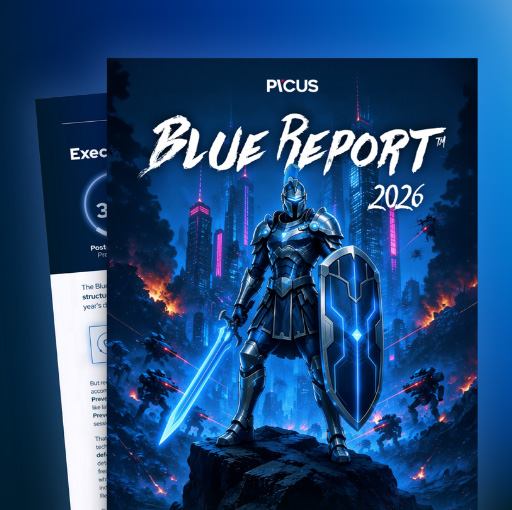
Once attackers have valid credentials, only 37% of their actions are blocked
Overall prevention scores can hide what happens after initial access. Once attackers are using valid credentials, prevention drops sharply.
The Blue Report 2026 measures defenses technique by technique across 338 million simulations run in customer production environments.
Get the reportOriginally published by BleepingComputer. Aggregated on AIWithGhost for educational purposes — full credit and traffic to the original publisher.