I Got Tired of Rebuilding JWT Authentication for Every Spring Boot Project
Every new Spring Boot project started the same way: Configure Spring Security Set up JWT Authentication Handle CORS Connect the frontend Create login and registration APIs None of these tasks are difficult individually

Every new Spring Boot project started the same way:
Configure Spring Security
Set up JWT Authentication
Handle CORS
Connect the frontend
Create login and registration APIs
None of these tasks are difficult individually, but together they can easily consume several hours before you build a single real feature.
After repeating this process multiple times, I decided to build my own Spring Boot + Angular starter kit with everything already configured.
One of the most important pieces was JWT Authentication.
Here's a simplified look at how it works.
What JWT Authentication Actually Does
Instead of storing user sessions on the server, JWT uses a token-based approach.
The flow looks like this:
User Login
↓
Server Verifies Credentials
↓
JWT Token Generated
↓
Client Stores Token
↓
Future Requests Send Token
↓
Server Validates Token
↓
Access Granted
This keeps the application stateless, scalable, and easy to integrate with frontend frameworks like Angular or React.
My Spring Security Configuration
One of the most important parts is configuring Spring Security to:
Allow login requests
Protect all other endpoints
Use JWT instead of sessions
@Bean
public SecurityFilterChain filterChain(HttpSecurity http) throws Exception {
http
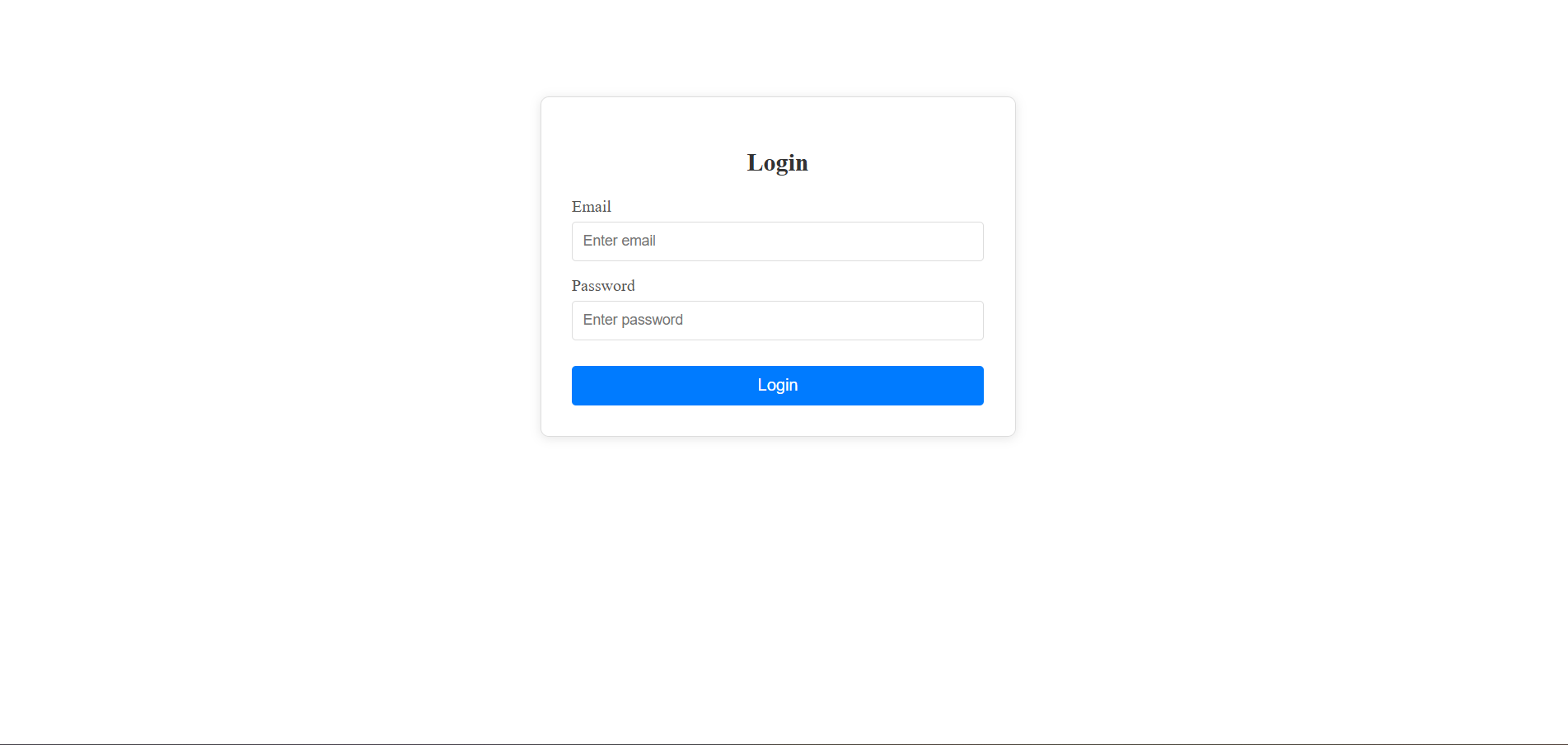
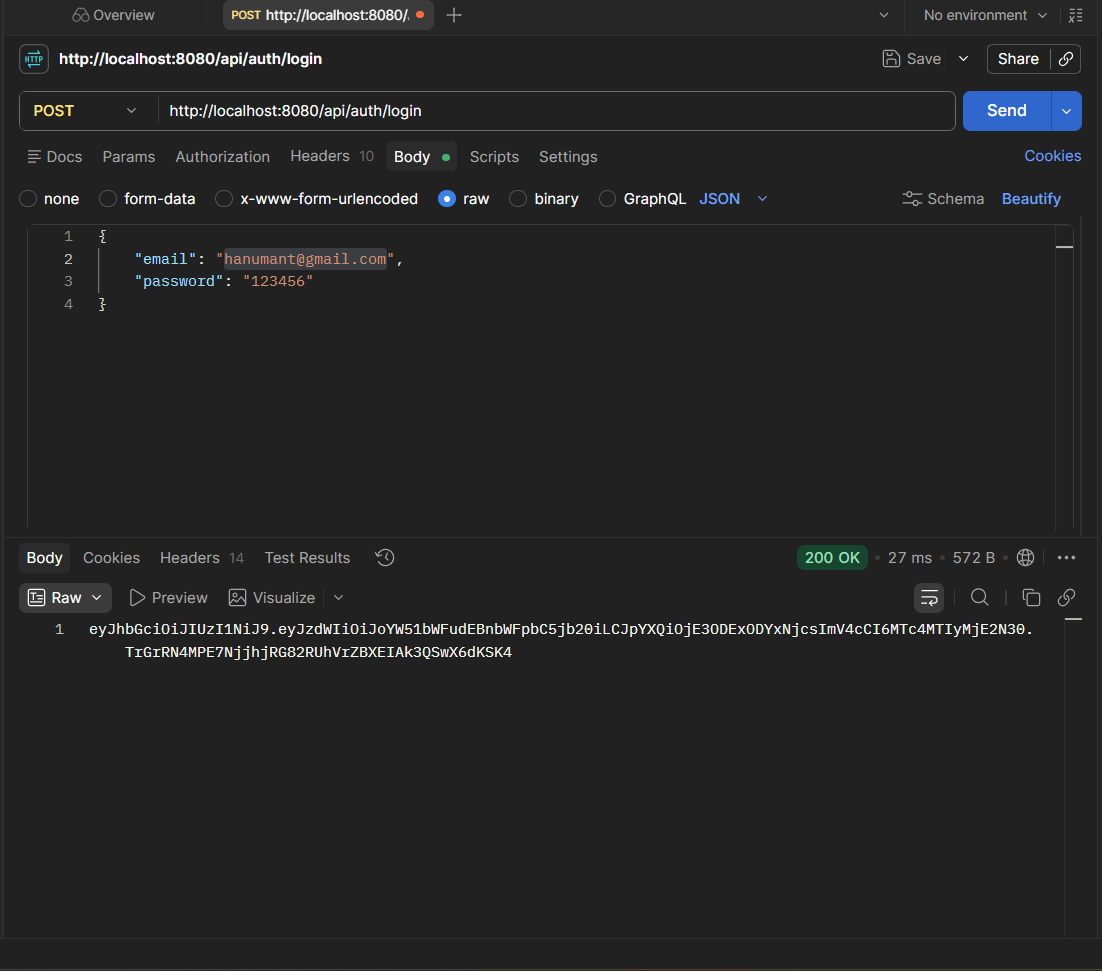
.csrf(csrf -> csrf.disable())
.sessionManagement(session ->
session.sessionCreationPolicy(
SessionCreationPolicy.STATELESS))
.authorizeHttpRequests(auth -> auth
.requestMatchers("/api/auth/**")
.permitAll()
.anyRequest()
.authenticated());
return http.build();
}
With this setup:
✅ Login endpoints remain public
✅ Protected APIs require authentication
✅ No server-side sessions are created
Why I Like JWT for Full Stack Projects
When building Angular + Spring Boot applications, JWT keeps authentication simple.
The frontend only needs to:
Login once
Store the token
Send it with future requests
No session management.
No server-side storage.
No additional complexity.
What I Learned Building This
When I first started learning Spring Security, JWT felt intimidating because there were so many moving parts.
But once I understood that everything revolves around:
Creating a token
Sending a token
Validating a token
it became much easier.
The real challenge wasn't JWT.
The real challenge was rebuilding the same project setup over and over again.
That's Why I Built a Starter Kit
After building multiple projects, I realized I was spending more time on setup than on actual development.
So I packaged everything into a reusable starter kit that includes:
✅ Spring Boot 3
✅ Angular 19
✅ JWT Authentication
✅ Spring Security
✅ MySQL Integration
✅ CRUD Operations
✅ Frontend + Backend Integration
✅ Clean Project Structure
The goal is simple:
Start building features immediately instead of spending days configuring infrastructure.
GitHub
👉 https://github.com/shindebuilds/springboot-angular-starter-kit
Starter Kit
👉 https://hanumant4.gumroad.com/l/caopgu
Originally published by Dev.to Security. Aggregated on AIWithGhost for educational purposes — full credit and traffic to the original publisher.