September 30, 2026
Global AffairsHelping small businesses put AI to work
Partnership with America’s SBDC will expand hands-on training and local guidance, while a new report explores what small teams are accomplishing with AI.
Small businesses are built on ambition: a craft you’ve perfected, a skill to share, a better way to serve a community. But turning that ambition and expertise into a business also means finding customers, managing finances, and handling marketing, often with a small team and little time to spare. AI can extend a team’s capacity, but figuring out where to start takes time too. A trusted advisor can make that first step easier.
Today, OpenAI is announcing a partnership with America’s SBDC(opens in a new window)—the national network of small business development centers serving 1 million entrepreneurs each year—to help more small businesses use AI at work. In this initial phase, through OpenAI Academy’s Community Trainer Program, we plan to train around 150 Small Business Development Center advisors and bring hands-on workshops to SBDC networks across the country, with the goal of reaching at least 1,000 small businesses through in-person training and many more through one-on-one advising and resources we develop together.
Alongside this new partnership, we’re also releasing Small Businesses, Bigger Capabilities, a new report(opens in a new window) examining how owners and small teams are using AI to expand what they can build and accomplish. The report finds that in just one recent week, from September 9-15, around 4 million small-firm employees worldwide used OpenAI’s tools. Through the SBDC partnership, we want to help even more owners build the skills and confidence to explore what AI could make possible for their businesses.
Training advisors and reaching local small businesses
The pilot will combine training for local advisors with opportunities for owners to learn, practice, and get ongoing help:
Training and credentialing advisors. America’s SBDC plans to select small business advisors for an OpenAI Academy training and credentialing pathway focused on helping small businesses apply AI. Through this training, we’re combining SBDC’s community expertise and trusted advisor relationships with AI tools, helping advisors equip owners to choose a useful starting point, use AI responsibly, and assess whether it’s helping their business. Advisors and staff will also prepare to lead group sessions through a separate facilitator pathway and small-business workshop module.
Hands-on local workshops. We plan to work with SBDC networks to host Academy Workshops, with at least one at each participating network. Modeled on OpenAI Academy’s three-hour, hands-on format, these sessions will help owners build and test ways to use ChatGPT on real business tasks and leave with a plan for putting those tools into practice. SBDC advisors will follow up afterward to help owners work through questions and see what’s proving useful.
Resources shaped by business needs. Together with America’s SBDC, we will create practical guides to putting AI to work and one companion guide focused on specific industries, shared across OpenAI Academy and America’s SBDC channels. Potential topics include marketing, operations, manufacturing, exporting, and government contracting. The guides will reflect what we learn from workshops and advising.
What small teams are making possible with AI
Our new report(opens in a new window), Small Businesses, Bigger Capabilities, brings together usage data and owners’ experiences to examine how small businesses are already using OpenAI’s tools. It finds that in a recent week in September, approximately 4 million employees at companies with fewer than 500 people used our products. Nearly one in five of those users worked at a business with fewer than 10 employees. And in August, agentic output tokens for products like ChatGPT Work and Codex—the units that AI models process and generate—made up two-thirds of all small business output tokens, up from just one-third in April 2026.
The report also examines the work small businesses are turning to AI to handle. In the sample, finance and accounting, supply chain, legal and compliance, and marketing each accounted for at least three times as large a share of small-business users’ interactions with AI agents as they did for larger-business users. These are areas where a small team may need help without having a dedicated specialist on staff.
For some owners, that help makes it possible to tackle work they would otherwise have left undone. Ted and Tami Taylor, who run three restaurants in New Mexico, used ChatGPT Work to compare competitors’ menu prices before updating their own. The analysis helped them avoid price increases that would have made some items uncompetitive. Ted says they would otherwise have skipped the comparison.
Other owners are using AI to pursue new business. Teri Moten used ChatGPT Work to research school districts in South Texas and prepare tailored outreach that she reviewed and sent. She reports booking a paid training session within ten days of starting that outreach. These experiences offer concrete starting points for owners considering how AI might fit into their own work.
Building on practical support for small businesses
This partnership brings together OpenAI’s work to help owners and small teams use AI with America’s SBDC’s business expertise and trusted relationships with owners in their communities. Last November, OpenAI Academy teamed up with DoorDash, SCORE, and local business organizations for Small Business AI Jams in five U.S. cities, giving owners hands-on help with tasks such as marketing, customer communications, and everyday operations. Our ChatGPT for small business program, introduced in July 2026, adds training and resources to help owners use AI at work.
Our partnership with America’s SBDC extends that work through advisors who already support owners in their communities. Throughout the pilot, we’ll follow up with owners to understand what’s helping, what they’re still using, and where they need more support. What we learn will shape the training and resources we develop together.
Explore tools and resources for small businesses, or join an upcoming webinar(opens in a new window) to hear directly from customers about how they’re using ChatGPT Work in their day-to-day work.
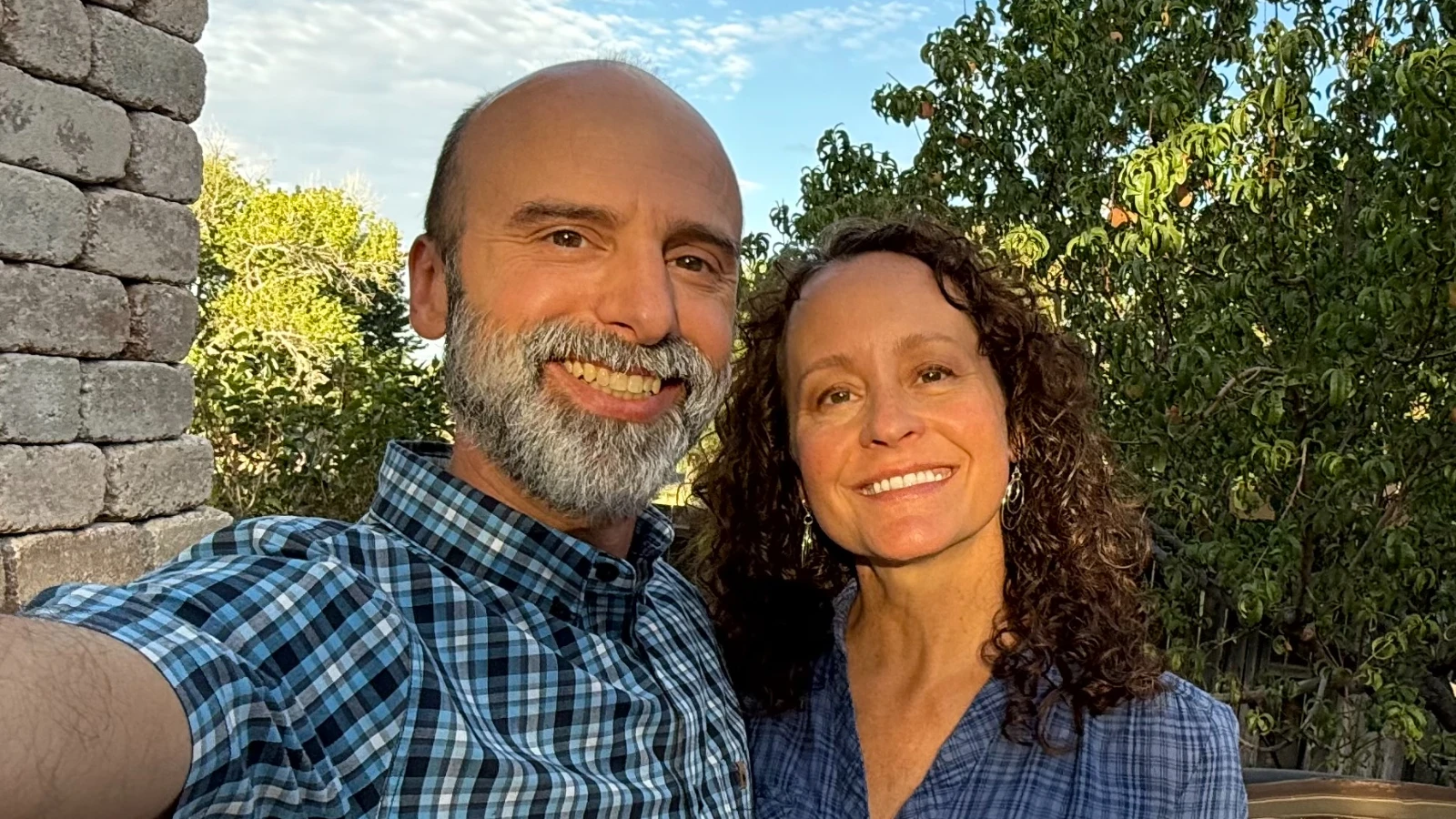
Comparing menu prices
Ted and Tami Taylor, who run three restaurants in New Mexico, used ChatGPT Work to compare competitors’ menu prices before updating their own. The analysis helped them avoid price increases that would have made some items uncompetitive.

Turning expertise into a product
Elizabeth Rider used ChatGPT to model pricing and user growth and work through product and UX decisions for Butler, her meal-planning app. She built it with three developers and a designer.
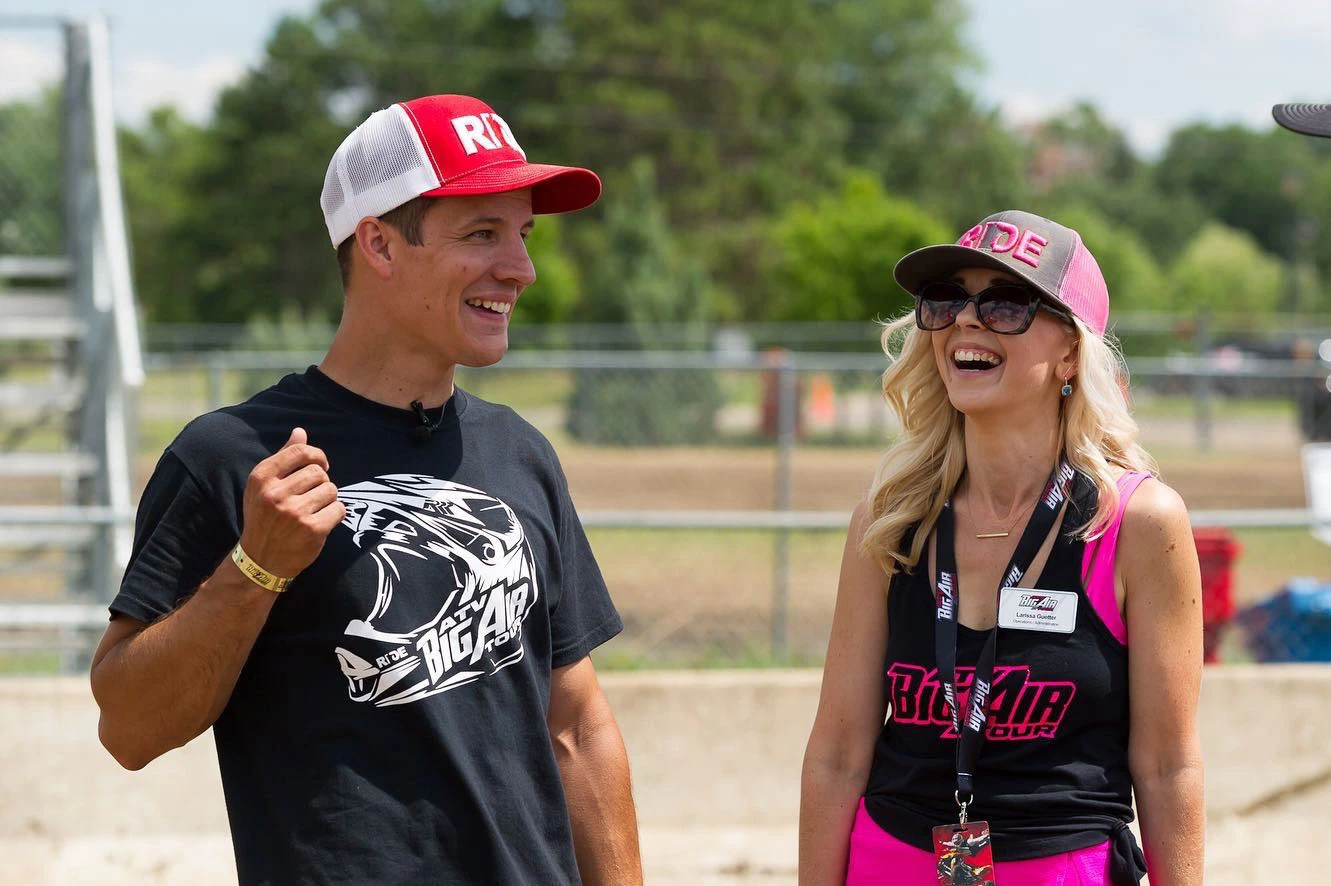
Expanding a two-person team’s capacity
Larissa Guetter, co-founder of ATV Big Air Tour, says ChatGPT Work helps her two-person team do work that would otherwise take multiple team members and compete with businesses with bigger budgets and teams.

Building a creative business
Allison Leeds used ChatGPT to organize research and develop weekly art cards pairing color palettes with mantras. The project became a small business, with ChatGPT helping her work as a creative solopreneur.
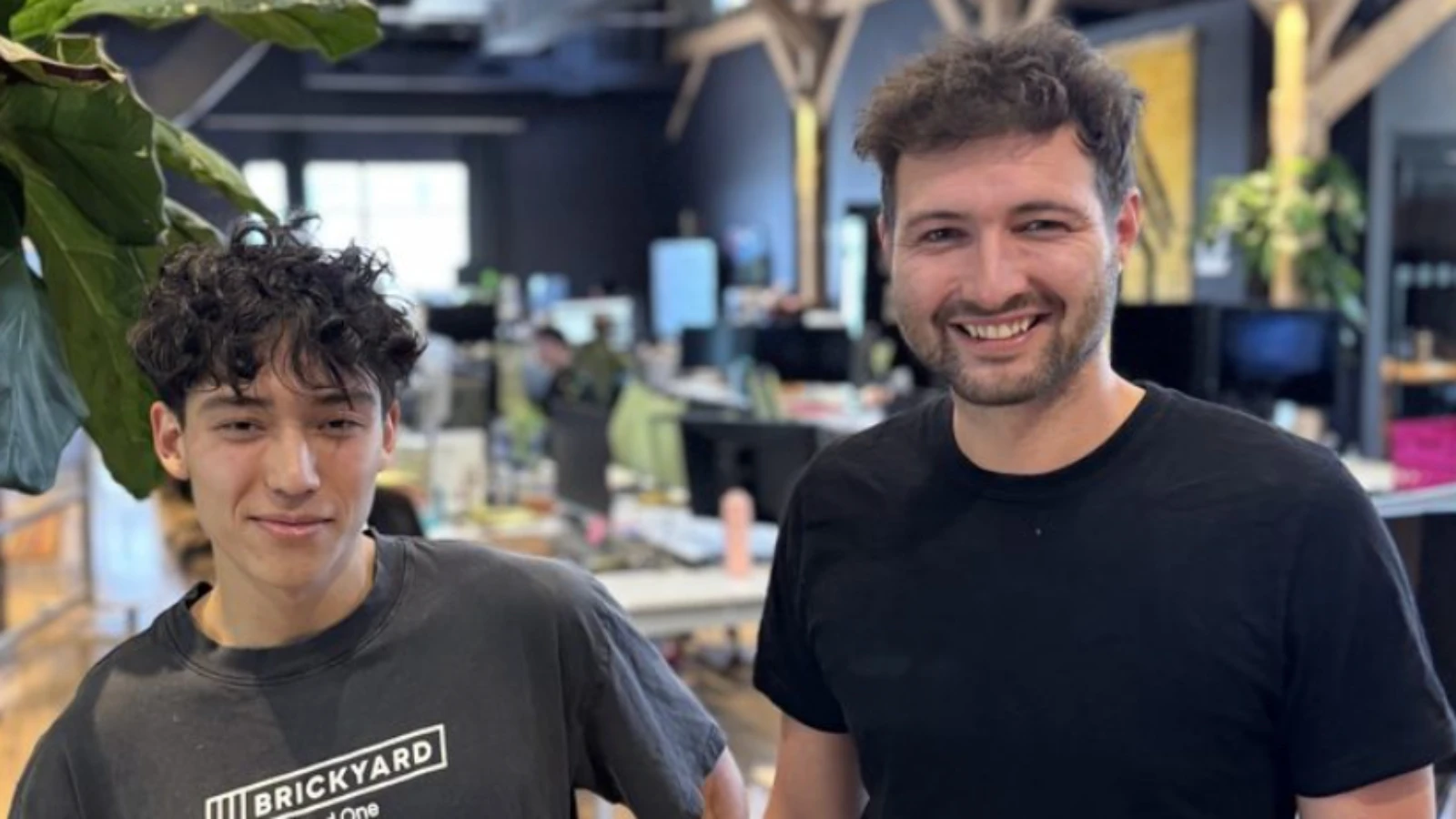
Turning requests into features
Goliath Data uses Codex and ChatGPT Work to turn customer requests into software features and monitor systems overnight. Engineers review proposed changes as the Chattanooga company expands its team.

Running a two-person startup
Tom Tomaszewski uses Codex for product development and customer support at freddy.coach, which connects wearable data to AI. ChatGPT Work helps him handle company administration while his two-person team builds the business.